March 31, 2026
Security camera systems represent critical investments for businesses protecting assets, monitoring operations, deterring crime, and providing evidence when incidents occur, yet many organizations unknowingly compromise their security through common installation and maintenance errors. Even expensive, sophisticated camera systems fail to deliver their full protective value when compromised by poor placement, inadequate maintenance, configuration mistakes, or outdated technology that creates vulnerabilities criminals can exploit. Business owners and security managers often don't realize their surveillance systems have significant weaknesses until incidents reveal gaps in coverage, lost footage, or system failures that leave them without the protection they believed they had. Identifying and correcting these common security camera errors is essential for maximizing the protective value of your surveillance investment and ensuring your commercial security systems actually deliver the comprehensive coverage and reliable operation you need. This guide explores the most critical security camera mistakes businesses make and provides actionable guidance for correcting these vulnerabilities before they result in losses or liability.
Error 1: Poor Camera Placement and Coverage Gaps
One of the most common and serious mistakes in commercial security systems is inadequate attention to camera placement, resulting in blind spots that leave critical areas unmonitored and vulnerable to theft or vandalism. Many businesses install cameras in obvious locations without conducting thorough security assessments to identify all areas requiring surveillance coverage, including entry points, high-value asset locations, and vulnerable perimeters. Improper camera angles, heights, or positions can render even expensive cameras ineffective by creating coverage gaps, backlighting issues, or obstructions that prevent capturing usable footage when incidents occur. According to Technavio, the security camera market size is estimated to reach nearly $4 billion, at a CAGR of over 12% between 2024 and 2029, reflecting growing investment in surveillance technology that must be deployed properly to deliver value.
Error 2: Neglecting Regular System Maintenance
Security cameras require ongoing maintenance to function reliably, yet many businesses install systems and never perform the cleaning, testing, and upkeep necessary to ensure continued operation. Dirty lenses, obstructed views from vegetation growth, misaligned cameras from weather or vibration, and degraded connections can all compromise system effectiveness gradually without obvious failures that trigger attention. Regular maintenance schedules, including lens cleaning, connection testing, recording verification, and physical inspection, identify problems before they cause coverage gaps or system failures during critical incidents. Commercial security systems providers offering quick service within seven days demonstrate commitment to keeping systems operational, but proactive maintenance prevents many issues that would otherwise require reactive service calls.
Error 3: Inadequate Lighting for Quality Footage
Even the best security cameras produce poor-quality footage in inadequate lighting conditions, rendering surveillance systems ineffective during nighttime hours when many security incidents occur. Many businesses install cameras without considering lighting conditions at different times of day, resulting in dark, grainy, or completely unusable footage when incidents occur after hours. Solutions include adding supplemental lighting, using cameras with superior low-light performance, installing infrared illuminators, or combining security cameras with motion-activated lighting that illuminates areas when activity is detected. Commercial security systems are designed to comprehensively address lighting requirements alongside camera selection to ensure quality footage captures usable details regardless of ambient light conditions.
Error 4: Insufficient Data Storage and Retention
Many businesses discover too late that their security camera systems don't retain footage long enough to be useful when investigating incidents or responding to legal requests that occur days or weeks after events. Inadequate storage capacity, improper retention settings, or failure to archive important footage result in critical evidence being automatically overwritten before it's identified as needed for investigations or legal proceedings. Storage requirements vary significantly based on camera resolution, frame rates, compression settings, and desired retention periods, requiring careful calculation and appropriate hardware to meet business needs. Commercial CCTV installations should include storage capacity planning that considers not just current needs but also potential future requirements as camera counts increase or resolution improves.
Error 5: Weak Network Security and Cybersecurity Vulnerabilities
IP-based security camera systems connect to networks, creating potential cybersecurity vulnerabilities that can allow unauthorized access to camera feeds, system compromise, or use of cameras as entry points into broader business networks. Many businesses use default passwords, fail to update firmware regularly, don't segment camera networks from other business systems, or neglect other basic cybersecurity practices that leave systems vulnerable to hacking. Compromised camera systems can provide criminals with intelligence about business operations, security procedures, employee movements, and valuable assets while potentially giving them access to disable cameras before committing crimes. Commercial security systems must incorporate robust network infrastructure and cybersecurity measures, including strong passwords, regular updates, network segmentation, and encryption, to protect against digital threats alongside physical security concerns.
Error 6: Overlooking Indoor Coverage for Comprehensive Protection
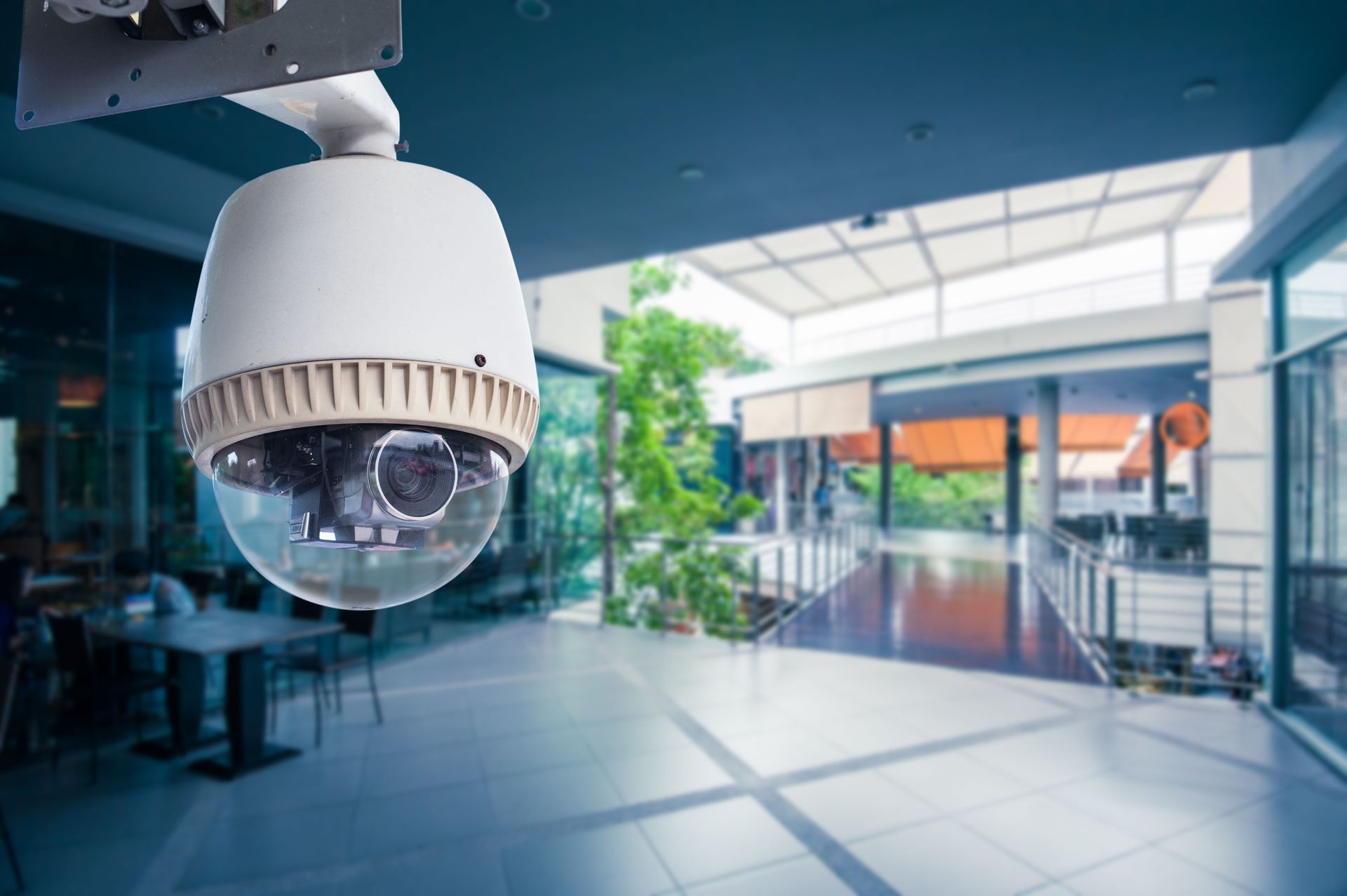
While perimeter and entry cameras are important, many businesses neglect comprehensive indoor surveillance that monitors interior spaces where theft, workplace incidents, and operational issues occur. Indoor cameras serve multiple purposes, including deterring internal theft, monitoring employee safety, documenting workplace incidents, verifying operational compliance, and providing evidence for liability claims or disputes. Areas requiring consideration include sales floors, storage rooms, loading docks, cash handling areas, and any spaces containing valuable assets or where incidents are likely to occur. Commercial business security, warehouse security, apartment complex security, construction site security, hotel security, and school security all benefit from properly planned indoor camera coverage appropriate to their specific risk profiles and operational needs.
Error 7: Failing to Integrate with Access Control Systems
Security cameras and access control systems work more effectively when integrated, allowing coordinated responses, comprehensive incident documentation, and more efficient security management than standalone systems. Integration allows cameras to automatically record when doors open, access control events to trigger specific camera views, and security personnel to verify identities and activities when access is granted or denied. This coordination creates more complete security records, enables faster incident response, and provides context for both access events and camera footage that enhances investigations and security effectiveness. Commercial security systems designed as comprehensive solutions rather than disconnected components deliver superior protection through integration that maximizes the value of each system component.
Error 8: Using Outdated Technology Past Its Useful Life
Security camera technology advances rapidly, and systems installed even five or ten years ago may lack capabilities, resolution, and features that modern systems provide for improved security effectiveness. Analog cameras, low-resolution systems, cameras without remote viewing capabilities, or systems with obsolete recording equipment compromise security by providing inadequate image quality or limited functionality compared to current technology. While replacing functioning equipment represents additional expense, continuing to rely on outdated technology that no longer meets security needs or provides usable footage is a false economy that leaves businesses inadequately protected. Commercial security systems providers functioning as one-stop security shops can assess current systems, recommend appropriate upgrades, and implement improvements that dramatically enhance security effectiveness without necessarily requiring complete system replacement.
Security camera systems represent significant investments that protect businesses, employees, and assets only when properly designed, installed, maintained, and operated without the common errors that compromise their effectiveness. The mistakes explored in this guide—from poor placement and inadequate maintenance to weak cybersecurity, insufficient coverage, lack of integration, outdated technology, inadequate monitoring, missing testing, and legal non-compliance—represent preventable vulnerabilities that leave businesses inadequately protected despite their security investments. Identifying and correcting these errors requires systematic assessment of current systems, honest evaluation of their effectiveness, and commitment to implementing improvements that maximize protective value. When you're ready to evaluate your security camera installation for these common errors or implement comprehensive security systems that deliver reliable protection, Milton Tech Commercial Security Systems is here to help with expertise in commercial CCTV, access control, network infrastructure, warehouse security, apartment complex security, commercial business security, construction site security, hotel security, and school security. As a one-stop security shop, we provide comprehensive solutions backed by a two-year product warranty and quick service within seven days to keep your security systems functioning optimally. For more information, contact us today!