December 3, 2025
Commercial properties rely heavily on strategic surveillance to maintain safety, deter criminal activity, and support incident investigations. One of the most influential factors in building an effective system is proper placement. Even the most advanced commercial security camera technology cannot perform well if positioned poorly. From identifying vulnerabilities to understanding sightlines and traffic flow, thoughtful placement ensures meaningful coverage and dependable monitoring throughout a property.
Understanding Property Vulnerabilities
Before installing any security camera, it is important to conduct an assessment of the property’s layout and risk zones. Vulnerable areas often include entrances, exits, blind corners, parking lots, stairwells, and poorly lit sections where visibility is limited. Evaluating how people move through these areas helps reveal where additional monitoring may be needed. By understanding both exterior and interior vulnerabilities, businesses can begin determining where coverage gaps may occur.
This site evaluation should include a walk-through during both daylight and nighttime hours to understand how shadows, traffic flow, and lighting impact visibility. Observing employee movement, delivery patterns, and public access points gives valuable insight into potential blind spots. Combining this assessment with your security goals ensures that each security camera covers the most important areas without redundant overlap or wasted sightlines.
Positioning Cameras at Entry and Exit Points
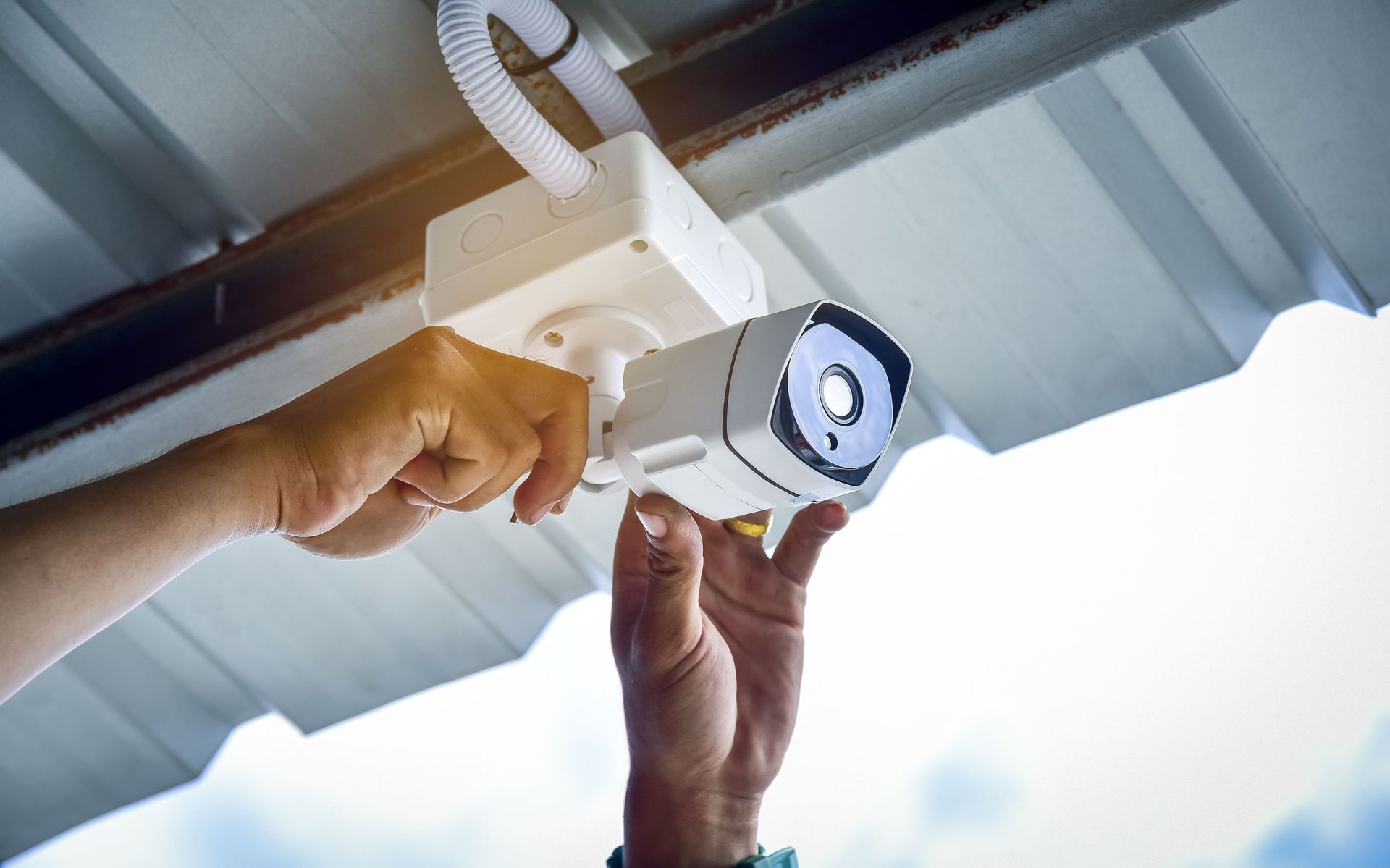
Entry and exit points are crucial locations for placing surveillance equipment. These areas naturally channel all foot and vehicle traffic, making them ideal for identifying individuals entering or leaving the property. Placing a commercial security camera at each major access point ensures clear visibility and supports investigations if incidents arise. Proper angles, stable mounting surfaces, and consistent lighting all contribute to reliable imaging.
When placing cameras at these access points, angle them to capture faces rather than only the tops of heads or silhouettes. Positioning devices slightly above eye level can balance clarity and overview. Doorways with heavy sunlight or glare may require adjustments to preserve image quality. Ensuring that each security camera maintains clear, unobstructed views of these areas greatly enhances the building’s security posture.
Covering Parking Lots and Exterior Perimeters
Parking lots are frequent locations for incidents such as theft, vandalism, and accidents. Installing a security camera around the perimeter and throughout high-traffic sections of the lot improves visibility and supports a safer environment. Wide-angle coverage helps reduce blind areas while still allowing vehicles, individuals, and activity to be recorded accurately. The goal is to create consistent coverage across the entire parking area.
Exterior cameras should be elevated enough to monitor movements without being easily tampered with. Lighting plays a major role in nighttime surveillance, so pairing cameras with adequate illumination enhances clarity. Keeping a commercial security camera angled to observe license plates, walkways, and building approaches ensures that activity around the perimeter is fully documented and captured with dependable detail.
Monitoring High-Traffic Indoor Areas
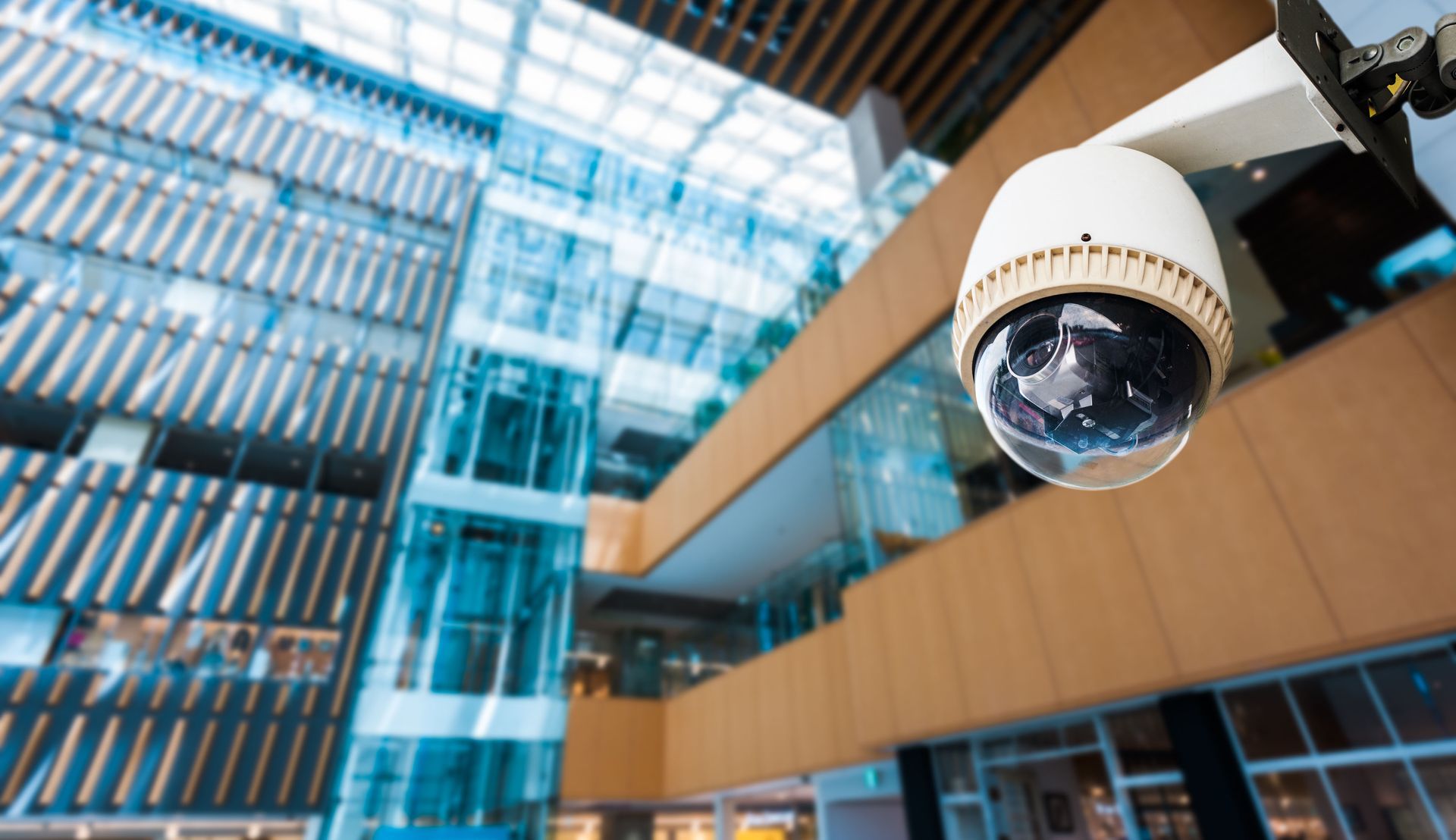
Inside commercial spaces, areas such as main hallways, lobbies, loading docks, and common rooms often experience high activity. Placing a security camera in these locations helps track movement and detect unusual behavior. These cameras support visibility throughout the busiest areas and contribute to a documented record of daily operations. The consistent presence of surveillance also encourages safe and responsible conduct.
Securing Sensitive or Restricted Zones
Restricted areas—such as server rooms, financial offices, inventory storage, and employee-only zones—require additional oversight to protect important assets. A security camera placed at the entrances to these rooms provides an added layer of accountability and ensures that only authorized individuals have access to sensitive areas. Recording entry attempts also helps businesses respond to incidents more effectively.
Installing cameras near storage or inventory areas helps track who enters and exits throughout the day. When sensitive materials or confidential information are involved, the presence of a commercial security camera significantly enhances traceability. Placing devices at strategic angles ensures visibility without interfering with operations or privacy compliance requirements.
Maintaining Proper Height and Angle Positioning
Height and angle play essential roles in the quality of surveillance footage. A security camera that is too high may lose critical facial details, while one mounted too low may be obstructed or vulnerable to tampering. The goal is to strike a balance that allows both overview coverage and identifiable features. Correct positioning significantly impacts the usefulness of recorded video.
Most cameras perform well when mounted at a height that captures both the environment and the individuals within it. Tilting the device downward at an appropriate angle preserves detail while providing a clear view of movements. Maintaining consistency in mounting height and angle helps ensure that each commercial security camera contributes accurate and dependable footage across the property.
Eliminating Obstructions and Blind Spots
Blind spots occur when physical structures or environmental elements block the view of a camera. Walls, pillars, shelving, signage, and landscaping can all interfere with visibility. Conducting a thorough check for obstructions before installing a security camera helps avoid coverage gaps that could weaken security. Even small blind spots can have a major impact on overall effectiveness.
Once cameras are installed, reviewing sample footage helps determine whether adjustments are needed. If part of the view is blocked, repositioning the device or adjusting its angle can greatly improve visibility. Ensuring that every commercial security camera remains unobstructed across changing seasons—such as when vegetation grows—helps preserve clear, year-round coverage.
Lighting Considerations for Enhanced Clarity
Lighting has a significant influence on the performance of surveillance equipment. In areas with inconsistent or poor lighting, a security camera may struggle to produce clear images. Businesses should account for changing light conditions throughout the day, including shadows, glare, and nighttime darkness. Strategic lighting placement enhances the effectiveness of surveillance and supports accurate footage.
Adding exterior illumination or adjusting existing indoor lighting can dramatically improve picture quality. For example, aiming a light away from the lens reduces glare, while stable lighting near entrances strengthens facial recognition. Adjusting these conditions ensures each commercial security camera can record crisp, usable video in both bright and dim environments.
Prioritizing object detection accuracy
Modern surveillance systems increasingly rely on intelligent features such as object detection, motion alerts, and automated notifications. These functionalities enhance situational awareness by allowing a security camera to identify specific objects or behaviors with high precision. The more accurate the detection, the more effective the monitoring system becomes in helping prevent incidents and supporting timely responses.
Placing devices where they have a clear field of view and minimal interference allows this capability to function properly. According to technavio, object detection accuracy is a crucial factor, with some systems boasting up to 99% accuracy in identifying and alerting on specific objects. Ensuring each commercial security camera is oriented for optimal detection helps improve alert quality and minimize false alarms.
Ensuring Overlapping Coverage for Critical Areas
Overlapping coverage means that if one angle fails, another camera can still capture the event. This layered approach strengthens a property’s protection by ensuring that no single commercial security camera is solely responsible for monitoring a high-risk location. Overlapping fields of view create a more reliable surveillance network and reduce the likelihood of missed incidents.
To achieve this, cameras should be angled so their coverage zones intersect in key areas such as entrances, high-traffic corridors, and exterior perimeters. Reviewing the layout helps identify where overlapping views provide the most value. Incorporating this approach ensures that each security camera contributes to a consistent, cohesive monitoring system.
Reviewing Footage Regularly and Making Adjustments
Even when cameras are properly installed, changes in the environment or daily operations may reduce their effectiveness over time. Regularly reviewing footage helps identify issues such as obstructed views, ineffective angles, or inadequate lighting. A security camera system must be monitored and adjusted as conditions evolve to maintain strong performance.
After reviewing sample recordings, minor adjustments often improve clarity and coverage. Seasonal changes, new equipment, or rearranged layouts can all impact visibility. Ensuring that each commercial security camera remains aligned with the property’s needs helps maintain reliable surveillance and long-term effectiveness.
Thoughtful placement of surveillance equipment is essential for creating an effective security environment. Careful consideration of sightlines, lighting, traffic flow, and environmental factors ensures that each camera contributes meaningful coverage. Through strategic planning and ongoing evaluation, commercial properties can build a surveillance layout that supports safety, operational awareness, and reliable incident documentation. Do you need security cameras for your business? Call Milton Tech Commercial Security Systems for more information today.